
Related Products
Free USA shipping on orders $199+Typically 16–20 business daysSecure payment
Need help?Chat on WhatsApp
Free USA shipping $199+ · 16–20 business days


What is HCQS 200 mg?
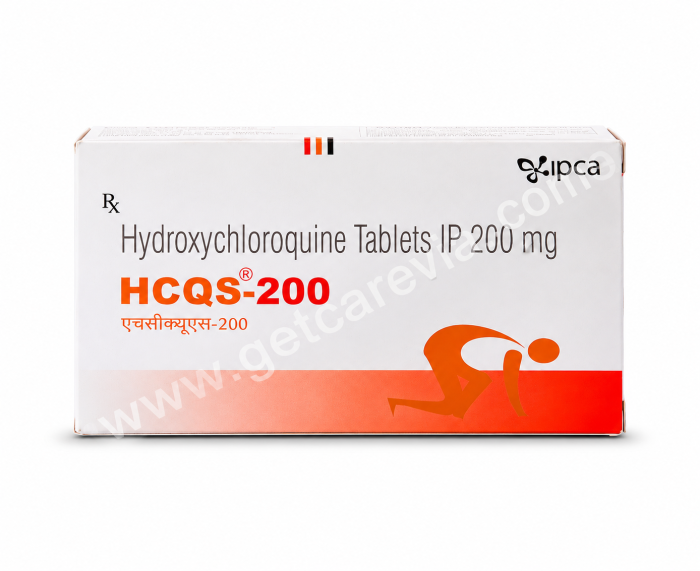
HCQS 200 mg is listed as a tablet containing 200 mg of hydroxychloroquine. The catalog identifies Ipca Laboratories and 15 tablets per strip. This ingredient is an antimalarial and disease-modifying medicine available in approved prescription formulations. Verify product-specific regulatory authorization and the actual packaging before use.
Uses of HCQS 200 mg
Authorized formulations are used for selected sensitive types of uncomplicated malaria and, in adults, certain inflammatory autoimmune conditions including rheumatoid arthritis and systemic lupus erythematosus. Treatment decisions vary with the diagnosis. It is not an approved treatment for COVID-19. A qualified clinician must assess malaria resistance and severity.
Potential Benefits
An appropriately selected treatment can help reduce inflammation in autoimmune diseases or control susceptible malaria parasites. Benefits and monitoring needs depend on the condition, response, and individual risks. It is not a general cure for joint pain or fever.
How Does HCQS 200 mg Work?
The ingredient affects cellular processes involved in immune activity and can act against susceptible malaria organisms. The full mechanism of its benefit in autoimmune disease remains unclear. Its action differs from that of ordinary pain relievers.
How to Take HCQS 200 mg?
Follow the exact directions for the verified formulation. U.S. reference labeling advises taking tablets with food or milk. Do not change, divide, or substitute formulations on your own. Keep scheduled follow-up visits and report troubling reactions.
Dosage of HCQS 200 mg
The tablet strength is not a universal dose. The regimen depends on the diagnosis, weight, kidney function, and treatment plan. A clinician must determine the appropriate dose and monitoring. Do not use the medicine as a substitute for another malaria or arthritis treatment.
Missed Dose
Ask a pharmacist if you are unsure what to do after missing a dose. Do not take a double dose to make up for the missed dose. Discuss treatment interruptions with the prescriber.
Overdose
An overdose may cause life-threatening heart rhythm abnormalities or seizures, particularly in children. Contact a poison control center immediately and seek emergency care for significant or suspected overdose. Keep the original package available.
Who Is the Manufacturer of HCQS 200 mg?
The current catalog identifies Ipca Laboratories. Verify the manufacturing details, batch number, expiration date, and formulation on the original carton or blister pack.
Strength of HCQS 200 mg
The catalog states 200 mg per tablet. Check the exact chemical form and amount stated on the label; do not assume that another strength or formulation is interchangeable.
Precautions and Warnings
Discuss existing heart or rhythm disorders, kidney disease, liver problems, eye conditions, diabetes, psoriasis, pregnancy, breastfeeding, and current treatment. Retinal injury can be permanent. Follow the clinician’s monitoring plan for eye examinations. Low blood sugar may occur even in people without diabetes.
Important Warnings and Contraindications
Do not take if allergic to the ingredient or related 4-aminoquinoline compounds. Serious heart problems, dangerous rhythm changes, and severe skin reactions can occur. Seek urgent help if you experience fainting, an irregular heartbeat, breathing difficulty, severe skin changes, or marked confusion. Report vision changes promptly.
Drug Interactions
Some medicines that prolong the QT interval can increase cardiac risk. Diabetes medicines, digoxin, and other treatments may require review or monitoring. Give the clinician and pharmacist a complete list of all medicines and supplements.
What Are the Side Effects of HCQS 200 mg?
Reactions vary, and some can arise after prolonged use. Report symptoms that persist or interfere with everyday activities. Do not change treatment on your own.
Common Side Effects
Nausea, diarrhea, abdominal discomfort, and vomiting may occur. Discuss troublesome effects with the treating clinician.
Serious Side Effects
Retinal damage, serious arrhythmia, cardiomyopathy, severe hypoglycemia, serious skin reactions, and new psychiatric symptoms require prompt assessment. Seek emergency assistance for severe symptoms.
Storage of HCQS 200 mg
Follow conditions stated on the actual pack. Keep tablets in their original packaging and out of the reach of children. Do not use expired tablets. Accidental ingestion in children can be particularly dangerous.
Frequently Asked Questions (FAQs)
Can I take HCQS 200 mg with food?
Yes. Take it with food or milk as directed. Ask your pharmacist before splitting or crushing a tablet.
Why do I need eye exams?
Long-term treatment can affect the retina. Keep the eye appointments your clinician recommends and report any new vision changes promptly.
Can HCQS 200 mg interact with other medicines?
Yes. Tell your prescriber about medicines that affect heart rhythm and any diabetes medicines you take. Ask before starting new medicines or supplements.
Is it safe to change tablet strengths?
Check with your prescriber or pharmacist first. Use the exact strength and schedule prescribed for your condition.
| Brand | HCQS |
|---|---|
| Active ingredient | Hydroxychloroquine |
| Strength | 200 mg |
| Form | Tablets |
| Packaging | 15 tablets per strip |
| Manufacturer | Ipca Laboratories |
Write Your Own Review
Shipping & Delivery
Destination and origin
Eligible orders are shipped internationally from India to customers in the United States.
Estimated delivery
Estimated total delivery is 16–20 business days, including 1–2 business days for processing after payment confirmation and 15–18 business days in transit.
Shipping charges
Standard shipping costs $25 USD. Shipping is free on eligible orders of $199 USD or more.
Order tracking
A shipping confirmation and tracking number are provided after dispatch. Tracking updates may take 24–48 hours to appear.
Delivery times are estimates. Customs clearance, weather and courier conditions may cause delays.
Read the Shipping Policy for complete terms and delivery information.
Get 20% off
your first order
Be the first to know about our latest offers and exclusive updates!
By entering your email, you agree to receive marketing emails from GetCareVia. See our Privacy Policy.
Offer valid for new customers on their first order only. Use the same email at checkout. Discount applies to the product subtotal; shipping and taxes are excluded.