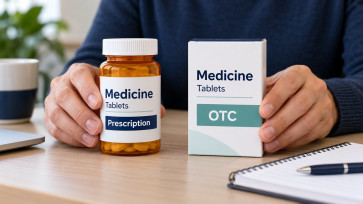
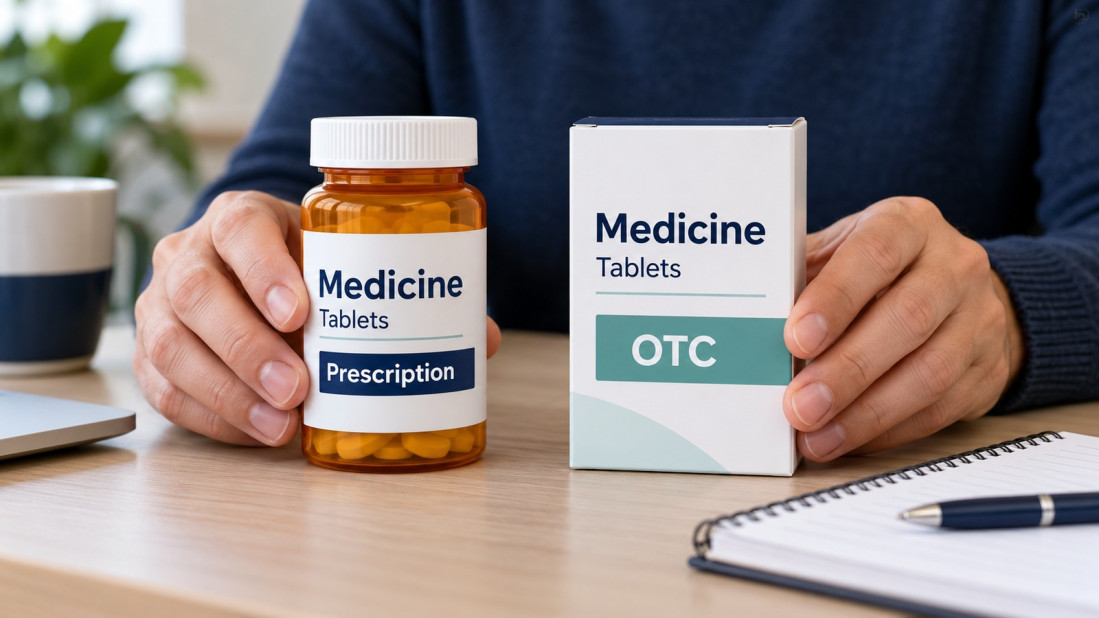
Prescription medicines require a prescription from an authorized prescriber. Over-the-counter, or OTC, medicines are available without a prescription for their labeled uses. OTC status does not mean a medicine has no risks, is suitable for everyone, or can be used without reading its instructions.
This guide explains the distinction for U.S. readers. It does not classify a particular GetCareVia product, authorize an imported medicine, or replace advice about symptoms and treatment.
What does prescription mean?
A prescription medicine is intended for the person for whom it was prescribed. The FDA's prescription and OTC comparison explains this difference between individually prescribed treatment and nonprescription availability.
Do not use someone else's prescription because your symptoms seem similar. Also avoid treating the letters on a package as a complete treatment plan. The exact medicine, instructions, and the prescriber's assessment matter.
If a website states that no prescription is needed, that statement is not evidence that a medicine is nonprescription in the United States. Ask what supports the exact product's U.S. status rather than accepting the sales wording at face value.
What does OTC mean?
OTC means over the counter. It describes nonprescription availability; it does not turn the product into a supplement or remove its warnings. The FDA's consumer guide to OTC medicines explains that readers still need to understand the label.
The same ingredient name is not enough to settle every product's status. Strength, formulation, labeling, and intended use belong in the exact-product check. Keep the U.S. question separate from how the product is sold in another country.
For example, a familiar brand family may contain several products. Do not assume that all of them have the same ingredients, directions, or age limits. Read the package you are considering, even if you recognize the brand.
How to read the Drug Facts label
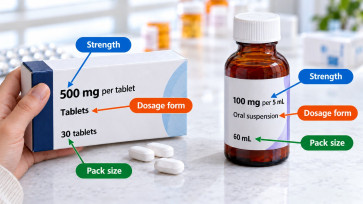
For the basics of strength, dosage form, and pack size, read our guide to reading a medicine package.
The FDA's Drug Facts explanation identifies the sections used on U.S. OTC medicines. Active ingredients tell you which substances provide the intended effect. Uses describe what the medicine is labeled to address. Warnings explain circumstances requiring caution, avoidance, or professional advice.
Directions explain how the product is used. Other Information can include storage requirements. Inactive Ingredients identifies other substances in the product. Read these sections together; the front-panel product name does not replace them.
If a photograph shows only the front of a carton, request the Drug Facts panel before treating the listing as complete. A readable full label is more useful than a prominent “OTC” badge.
Why nonprescription does not mean risk-free
OTC medicines can have side effects and interactions. Tell your pharmacist about prescription medicines, nonprescription products, vitamins, and supplements you use. A short list with exact names is easier to review than a collection of vague descriptions.
The CDC's medication safety advice recommends following label or professional instructions and asking questions when directions are unclear. For children, it also emphasizes checking active ingredients and avoiding duplicate ingredients across medicines.
Do not increase a dose or use a product for longer than directed because it is available without a prescription. If symptoms persist or you are unsure whether a product is appropriate, seek professional advice rather than adding another medicine on your own.
Medicines, supplements, and cosmetics are different categories
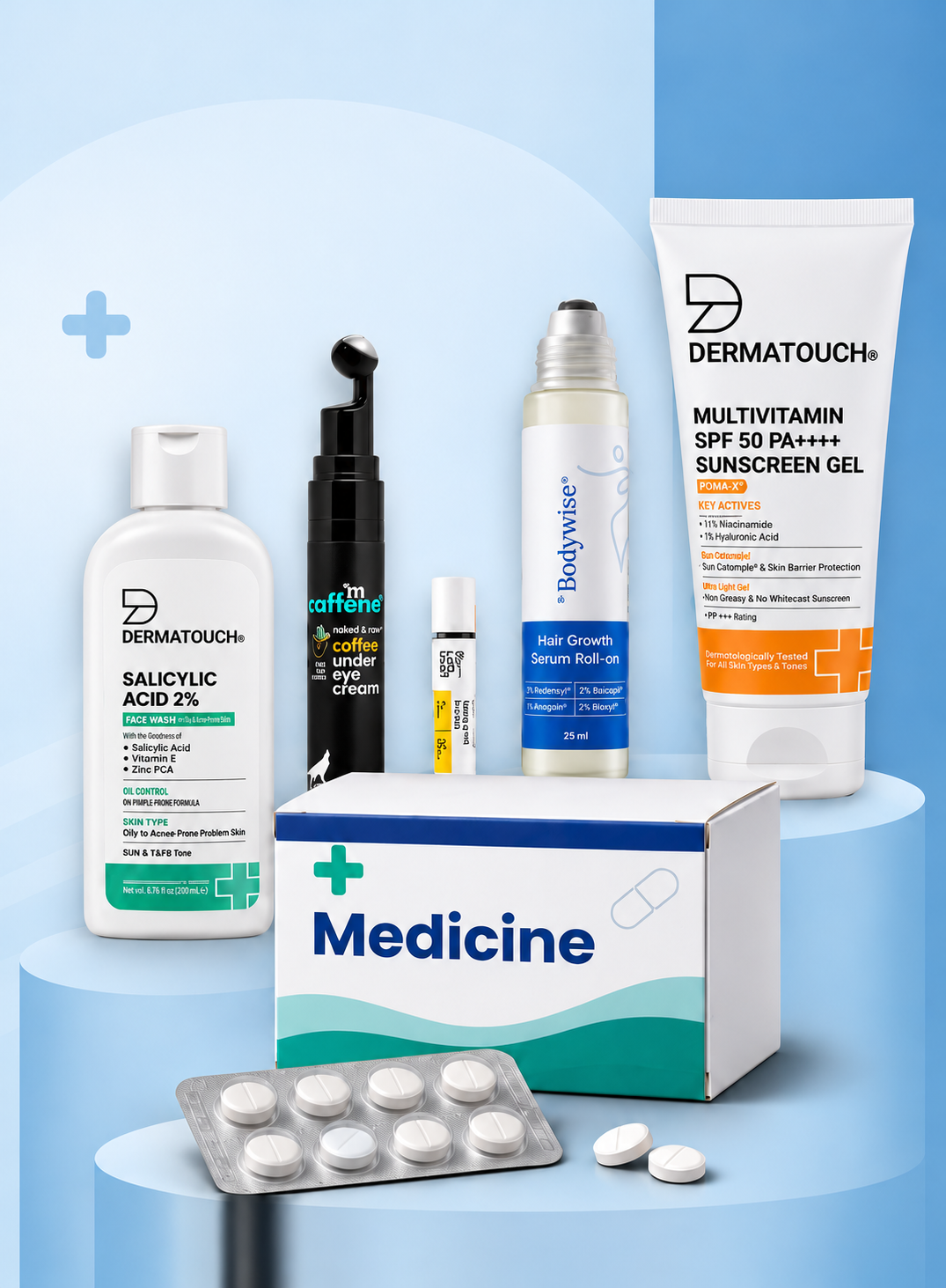
A store's menu is a navigation tool, not a regulatory decision. A medicine does not become a dietary supplement because it appears in a wellness category.
Drug Facts and Supplement Facts describe different product types. For any unfamiliar listing, identify the product and what its label actually says before interpreting the category. This article does not classify products from photographs that do not show the relevant information.
When comparing listings, write down the complete product name, ingredients, strength where stated, dosage form, manufacturer, and country-specific label. Leave unclear information unresolved rather than filling the gaps from another retailer's description.
What about medicines sold without a prescription abroad?
Availability in another country does not by itself establish U.S. OTC status or an acceptable import route. FDA's human drug import guidance identifies separate requirements for imported medicines.
Do not treat an online order, a small quantity, or a retailer's reassurance as proof that every requirement has been met. The product and proposed supply route need their own verification. This is separate from whether a medicine may be appropriate for a patient.
Prepare one clear question before you ask for help
For a label question, collect the full package image and the wording you do not understand. For a personal-use question, take your medicine list and relevant concerns to a pharmacist or clinician.
For a retailer question, ask for exact product information rather than a broad promise that all items are safe. For example: “Can you provide a readable image of the full label and identify the manufacturer?” That asks for information the listing should support without asking customer service to choose treatment.
Frequently asked questions
Are OTC medicines weaker than prescription medicines?
Prescription status is not a simple strength ranking. Compare the exact products and their labeled uses; do not judge suitability by the category alone.
Does a generic medicine always mean OTC?
No. Generic versus brand-name and prescription versus OTC describe different distinctions. Neither label alone settles the other question.
Who should answer questions about personal use?
A pharmacist or clinician should assess treatment, interactions, and whether a medicine is suitable for you. GetCareVia customer support can clarify listing information and package details.
Sources checked October 13, 2026. General educational information; not personalized medical advice.