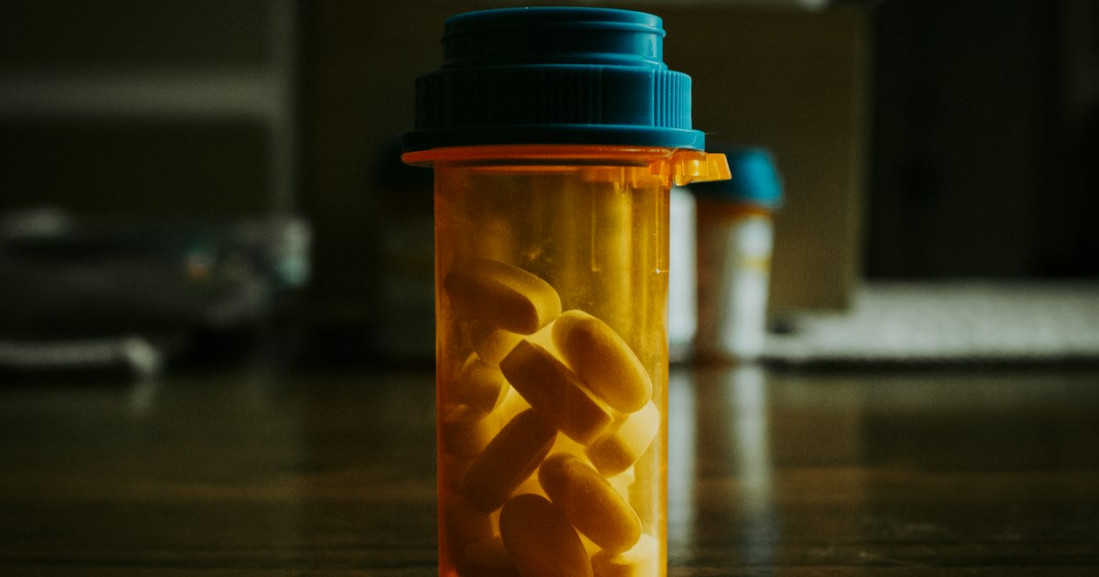
The Moisture Trap: Why Bathroom Humidity Silently Destroys Your Pills
That steamy shower feels great, but the lingering humidity in your bathroom is a silent assassin for your medications. It's not just about keeping pills dry; it's about preventing a complex chemical and physical breakdown that compromises their safety and effectiveness. Storing medicines in the bathroom, even in a closed cabinet, exposes them to a relentless cycle of heat and moisture, accelerating their degradation.
Understanding this hidden threat is crucial for patient safety. Your pills aren't just losing potency; they can transform into harmful byproducts. Let's uncover the science behind why your bathroom is the worst place for most medications.
The Science of Degradation: How Humidity Attacks Medications

The primary culprit behind humidity-induced drug degradation is chemical hydrolysis. This isn't just simple wetting; it's a molecular attack. Water molecules (H₂O) actively break chemical bonds within the active pharmaceutical ingredient (API), altering its structure and function.
Consider acetylsalicylic acid, commonly known as aspirin. When exposed to excessive moisture, hydrolysis breaks it down into salicylic acid and acetic acid. That distinct vinegar-like odor you might notice from old aspirin? That's the acetic acid, a clear sign of degradation and reduced efficacy.
Many medications contain hygroscopic excipients, inactive ingredients designed to absorb moisture. While useful in controlled environments, in a humid bathroom, these excipients can pull in too much water, initiating the degradation process. This can lead to deliquescence, where a solid substance absorbs so much moisture from the air that it dissolves into a solution.
Pharmaceutical standards, like USP <659>, emphasize strict environmental controls for medication storage. They recommend keeping drugs at controlled room temperature (20-25°C or 68-77°F) with relative humidity (RH) below 60%. Bathroom environments frequently exceed these thresholds, especially after a hot shower, creating a microclimate hostile to drug stability.
Physical Form Failures: When Pills Crumble and Capsules Melt
Beyond the invisible chemical changes, humidity causes visible physical damage to medication forms. These changes directly impact how a drug is absorbed and performs in the body.
Gelatin capsules are highly vulnerable. The gelatin shell, designed to dissolve in the stomach, can become soft, sticky, or even melt and fuse together in high humidity. This compromises the dosage, as the active ingredient might not be released correctly or at all.
Tablets, especially those that are effervescent or uncoated, are also at high risk. Effervescent tablets rely on a chemical reaction with water to dissolve rapidly; premature exposure to humidity can trigger this reaction, causing them to crumble or lose their fizz. Uncoated tablets can absorb moisture, leading to softening, swelling, or complete disintegration.
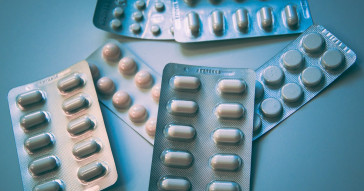
Even blister packs, often perceived as protective, aren't foolproof. Fluctuating temperatures and humidity can cause micro-tears or pinholes in the foil or plastic, allowing moisture vapor to seep in. Once the seal is compromised, the individual pills inside are exposed to the same damaging conditions.
The integrity of the dosage form is paramount for drug delivery. A compromised tablet or capsule means an unreliable dose, potentially leading to treatment failure or adverse effects.
High-Risk Vulnerabilities: Medications Most Susceptible to Moisture

While all medications are susceptible to some degree, certain formulations and drug classes are particularly vulnerable to moisture damage. These often require stringent storage conditions to maintain their potency and safety.
Sublingual nitroglycerin tablets, used for angina, are extremely sensitive. They must dissolve rapidly under the tongue to provide quick relief. Moisture exposure can render them ineffective, a critical failure in an emergency situation. They are typically packaged in amber glass vials with tight-fitting caps, often with a desiccant.
Thyroid hormones, like levothyroxine, are another high-risk category. Even slight degradation can significantly alter their potency, leading to inadequate thyroid hormone replacement and fluctuating TSH levels. Patients often notice a change in tablet color or texture when exposed to humidity.
Insulin pens and vials, while often stored in the refrigerator, are still susceptible to temperature fluctuations and condensation if not handled correctly. Once opened, they have specific room temperature storage limits, and exposure to excessive humidity can compromise the protein structure of insulin, reducing its effectiveness.
Diagnostic test strips, such as those for blood glucose monitoring, are designed to react chemically with specific analytes. Humidity can degrade the reactive enzymes or chemicals on the strip, leading to inaccurate readings. This can have serious implications for managing chronic conditions like diabetes.
Here's a quick overview of common medication forms and their moisture vulnerabilities:
| Medication Formulation | Relative Humidity Threshold | Degradation Mechanism | Observable Warning Sign |
|---|---|---|---|
| Gelatin Capsules | > 60% RH | Gelatin dissolution, sticking, melting | Soft, sticky, fused capsules |
| Uncoated Tablets | > 60% RH | Moisture absorption, hydrolysis, deliquescence | Crumbling, softening, discoloration, swelling |
| Effervescent Tablets | > 50% RH | Premature effervescence reaction | Crumbling, loss of fizz, reduced dissolution |
| Sublingual Nitroglycerin | > 40% RH | Hydrolysis, loss of rapid dissolution | Softening, crumbling, reduced efficacy |
| Thyroid Hormones (e.g., Levothyroxine) | > 50% RH | Hydrolysis, API degradation | Discoloration, mottling, altered texture |
| Diagnostic Test Strips | > 50% RH | Enzyme/chemical degradation | Inaccurate readings, color change on strip |
Observable Warning Signs: How to Spot Moisture Damage
Identifying moisture-damaged medications is critical for patient safety. While some degradation is invisible, many changes are readily apparent. Always inspect your medications before taking them.
Discoloration: A change in the pill's color is a common indicator. White tablets might turn yellow or brown, and colored pills might become faded or mottled. This often signifies chemical changes within the API or excipients.
Clumping or Sticking: If tablets or capsules in a bottle are stuck together, or if a powder medication has formed clumps, it's a strong sign of moisture absorption. This is particularly common with gelatin capsules becoming soft and adhering to each other.
Unusual Odor: A distinct, uncharacteristic smell, like the vinegar odor from degraded aspirin, indicates chemical breakdown. Any new or strong odor from a medication that was previously odorless should raise a red flag.
Texture Softening or Crumbling: Pills should generally be firm. If a tablet feels soft, spongy, or crumbles easily when handled, it has likely absorbed too much moisture. This compromises its structural integrity and dosage accuracy.
Cracks or Swelling: Some tablets may develop cracks on their surface or appear swollen. This is another physical manifestation of moisture ingress, leading to internal expansion and structural failure.
Changes in Blister Packs: Look for any signs of bulging, tearing, or discoloration within the individual blister pockets. If the foil backing is peeling or compromised, the medication inside is no longer protected.
These warning signs are your body's way of telling you not to take that dose. When in doubt, always err on the side of caution.
Patient Safety Protocol: What to Do If Your Pills Were Exposed
Discovering your medications have been exposed to humidity or show signs of degradation can be concerning. Your immediate priority is safety, not salvage.
Do NOT Take Compromised Pills: This is the most important rule. Taking a degraded medication can mean receiving an ineffective dose, leading to treatment failure, or worse, ingesting harmful byproducts. The FDA.gov and CDC.gov consistently advise against using medications that appear altered.
Isolate and Dispose Properly: Place the questionable medication in a sealed bag or container to prevent accidental use. Do not simply throw them in the trash or flush them down the toilet. Consult your local pharmacy or waste management facility for proper drug disposal guidelines. Many pharmacies offer take-back programs.
Contact Your Pharmacist: This is the crucial next step. A licensed pharmacist can assess the situation, verify if a replacement is necessary, and advise on safe storage for future prescriptions. They can also help determine if the medication's integrity has truly been compromised based on its specific formulation and the extent of exposure.
Verify Replacement Safety: If a replacement is needed, your pharmacist will ensure you receive a fresh, potent supply. Discuss any concerns about potential gaps in your therapy due to the degraded medication. Our GetCareVia Clinical Pharmacists are always available to help guide you through this process.
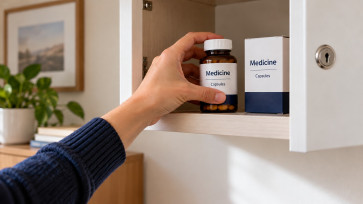
Review Storage Practices: Use this as an opportunity to reassess where you store all your medications. The best place is typically a cool, dry place away from direct sunlight, like a dresser drawer, a kitchen cabinet (away from the stove/sink), or a dedicated medicine box in a bedroom.
Frequently Asked Questions
Q: Can I still take my pills if they just feel a little sticky from bathroom humidity?A: No. Even slight stickiness indicates moisture absorption and potential degradation. The active pharmaceutical ingredient (API) may have begun to break down, compromising the drug's effectiveness and safety. Always consult a pharmacist before taking any medication that appears altered.
Q: What is the ideal humidity level for storing medications?A: Most medications should be stored at a relative humidity (RH) below 60%, ideally between 30-50%. This helps prevent chemical hydrolysis and physical degradation. Controlled room temperature (20-25°C or 68-77°F) is also crucial.
Q: Do medication bottles with cotton balls or desiccants protect against bathroom humidity?A: While cotton balls and desiccants (like silica gel packets) are initially included to absorb moisture during manufacturing and shipping, they have limited capacity. They cannot counteract the continuous, high humidity cycles of a bathroom, especially once the bottle is opened repeatedly. Remove cotton balls after opening, as they can draw moisture into the bottle.
Q: How quickly can humidity damage my pills?A: The rate of degradation depends on the specific medication, its formulation, and the level of humidity. Highly sensitive drugs like nitroglycerin can degrade rapidly within days or weeks of consistent exposure. Others may show slower changes, but cumulative exposure over time will inevitably lead to compromise.
Medical Disclaimer: This guide is intended for educational purposes only. If your medications display physical signs of moisture degradation, consult a licensed pharmacist before taking further doses.