Discover official FDA medicine storage guidelines to protect your prescription and over-the-counter drugs from heat and humidity damage. Learn how to maintain medication efficacy and safety at home.
Starting a new medication? Learn the 7 critical questions to ask your pharmacist about dosages, food interactions, side effects, and missed doses to ensure safe, effective treatment.
Every medicine label lists both active and inactive ingredients. Knowing the difference empowers you to understand how your medication works and what else you're putting into your body.
Master safe medicine storage at home to protect your family from accidental poisoning and ensure medication effectiveness. Discover vital tips on temperature, expiration, and child safety.
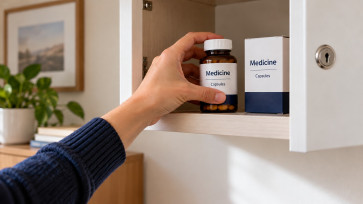
Follow the storage instructions for your exact medicine. Many medicines need a dry place away from heat. Others need refrigeration or specific storage conditions. Keep medicines where children cannot see or reach them. Before choosing a storage spot, check that it meets the instructions on the label.
Use this guide to check how you store medicines at home. It does not determine whether a particular medicine is safe after damage or a temperature problem. To answer those questions, check the product's label and ask a pharmacist or manufacturer.
Look at the bottle, carton, pharmacy label, and patient information. Check the storage instructions before deciding where to keep it. Do not use another product's storage
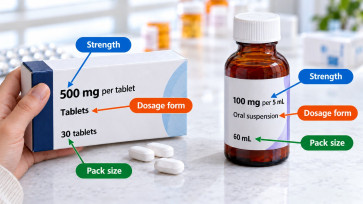
A medicine package can show several numbers at once: a strength in milligrams, a liquid concentration, and the number of tablets or the volume in the container. Each answers a different question. Strength describes the amount of active ingredient in a stated unit. Dosage form describes the type of medicine, such as a tablet, capsule, cream, or solution. Pack size describes the quantity supplied.
This guide explains how to read those details. It does