Safe Medicine Storage at Home: Your Family's Safety Guide
Every household in the U.S. relies on medication at some point, making safe medicine storage at home a critical aspect of family health and safety. Improper storage can lead to reduced effectiveness, accidental poisoning, or even serious health risks. This comprehensive guide will walk you through the best practices for storing your medications, covering everything from understanding expiration dates to protecting temperature-sensitive drugs and securing your home from potential hazards. By the end, you'll have the knowledge to safeguard your family and ensure your medicines remain effective and safe to use.
Table of Contents
Understanding Medicine Expiration Dates
Every medication comes with an expiration date, a critical marker for its safety and effectiveness. This date indicates the point up to which the manufacturer guarantees the full potency and safety of the drug.
Once past this date, the chemical composition of the medicine can change, potentially reducing its effectiveness or even leading to harmful degradation. Always check these dates regularly to maintain proper safe medicine storage at home.
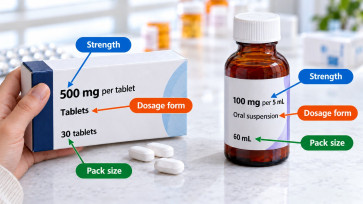
For a detailed guide on identifying and understanding these important labels, learn how to read medicine package information.
For more information on why expiration dates matter, consult the FDA's guidelines on drug expiration dates.
Beyond the Bathroom Cabinet: Ideal Storage Locations
When considering safe medicine storage at home, location is key. Many people instinctively store medicines in the bathroom, but this is often not the best choice due to fluctuating conditions.
Why Bathroom Cabinets Are Risky
Bathroom cabinet risks are primarily linked to the environment. The frequent changes in temperature and humidity from showers and baths can degrade medications, even those in sealed containers.
This instability can reduce potency and shorten shelf life. Avoid these fluctuating conditions for most medications.
Best Practices for General Medicine Storage
Opt for a cool, dry place away from direct sunlight. A bedroom dresser drawer, a kitchen cabinet (away from the stove or sink), or a linen closet are often better alternatives.
- Ensure the location is consistently dry and cool.
- Keep medicines in their original containers to preserve important information.
- Store them out of reach and sight of children and pets.
Protecting Your Loved Ones: Childproof Pill Bottles & More
Accidental medication poisoning is a serious concern, especially with young children. Implementing robust safety measures is a cornerstone of safe medicine storage at home.
Always use childproof pill bottles, but remember they are child-resistant, not child-proof. Vigilance is still required.
Child Safety Checklist
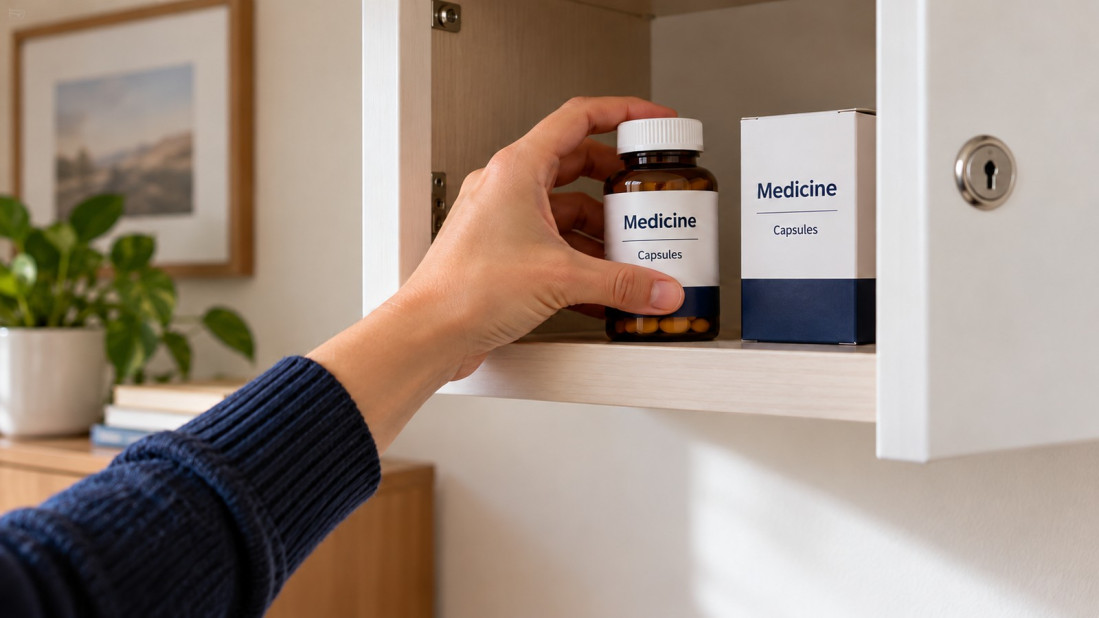
- Store all medications, vitamins, and supplements in a locked cabinet or high shelf that children cannot reach or see.
- Keep medicines in their original child-resistant containers.
- Never refer to medicine as candy to encourage children to take it.
- Dispose of unused or expired medicines promptly and safely.
- Have the Poison Help number (1-800-222-1222) saved in your phone.
Handling Temperature Sensitive Drugs
Certain medications, often referred to as temperature sensitive drugs, require very specific storage conditions to maintain their integrity and effectiveness. These can include insulin, some antibiotics, and certain biologics.
Always check the package insert for exact temperature requirements. Refrigerated medications should never be frozen unless specifically instructed.

Here's a quick guide to understanding common temperature recommendations:
| Dosage Form | Recommended Temperature | Degradation Risk |
|---|---|---|
| Tablets/Capsules | Room Temp (68-77°F / 20-25°C) | Humidity, extreme heat/cold |
| Liquid Suspensions | Room Temp or Refrigerated (as directed) | Heat, freezing, light |
| Injections (e.g., Insulin) | Refrigerated (36-46°F / 2-8°C) | Freezing, extreme heat |
| Creams/Ointments | Room Temp (68-77°F / 20-25°C) | Separation, melting in heat |
Disposing of Unused or Expired Medications
Proper disposal of medications is as vital as proper storage. Keeping expired or unused drugs around creates unnecessary risks for accidental ingestion or misuse, undermining your efforts for safe medicine storage at home.
Avoid flushing medications down the toilet or throwing them directly into the trash, as this can contaminate water supplies or harm wildlife.

Safe Disposal Methods
- Drug Take-Back Programs: Many communities host periodic drug take-back events or have permanent collection sites at pharmacies, police stations, or hospitals. This is often the best disposal option.
- Mail-Back Programs: Some pharmacies offer pre-paid envelopes for mailing back unused medications.
- Household Trash (Last Resort): If no take-back option is available, mix the medicine (do not crush tablets or open capsules) with an undesirable substance like dirt, cat litter, or used coffee grounds. Place the mixture in a sealed bag or container and dispose of it in your household trash.
For more detailed information on drug disposal, refer to the FDA's guidelines on disposing of unused medicines. If you have specific questions about your medications, don't hesitate to contact us.
Frequently Asked Questions (FAQs)
Q: Why is safe medicine storage at home so important?
A: Safe medicine storage at home is crucial to prevent accidental poisonings, especially among children and pets. It also ensures medications remain effective and stable, preventing degradation due to improper environmental conditions like heat, light, or humidity. This practice safeguards your family's health and investment in medication.
Q: Can I still use medicine after its expiration date?
A: It is generally not recommended to use medicine after its expiration date. While some medications may retain potency for a short period, others can degrade into harmful substances or simply become ineffective. Always prioritize your health and safety by disposing of expired medications properly and obtaining new ones.
Q: Where is the best place to store medicines in my home?
A: The best place for safe medicine storage at home is typically a cool, dry, dark location away from direct sunlight, such as a bedroom dresser drawer or a kitchen cabinet (not above the stove or sink). Avoid bathrooms due to humidity and temperature fluctuations. Always ensure it's out of reach and sight of children and pets.
Q: How do I safely dispose of old or unused medications?
A: The safest methods are drug take-back programs or mail-back options offered by pharmacies. As a last resort, mix medications (not crushed) with an undesirable substance like dirt or coffee grounds, place in a sealed bag, and dispose of in household trash. Never flush medicines down the toilet unless specifically instructed.
Conclusion
Mastering safe medicine storage at home is an essential step toward ensuring your family's well-being and the effectiveness of your medications. By paying close attention to expiration dates, choosing appropriate storage locations, securing medicines from children and pets, and disposing of unused drugs responsibly, you create a safer home environment. Prioritize these practices to protect your loved ones and maintain optimal health.
Medical Disclaimer:
The information provided in this blog post is for informational purposes only and does not constitute medical advice. Always consult with a qualified healthcare professional or pharmacist before making any decisions related to your health or medication storage practices. GetCareVia does not endorse or recommend any specific treatments or products.