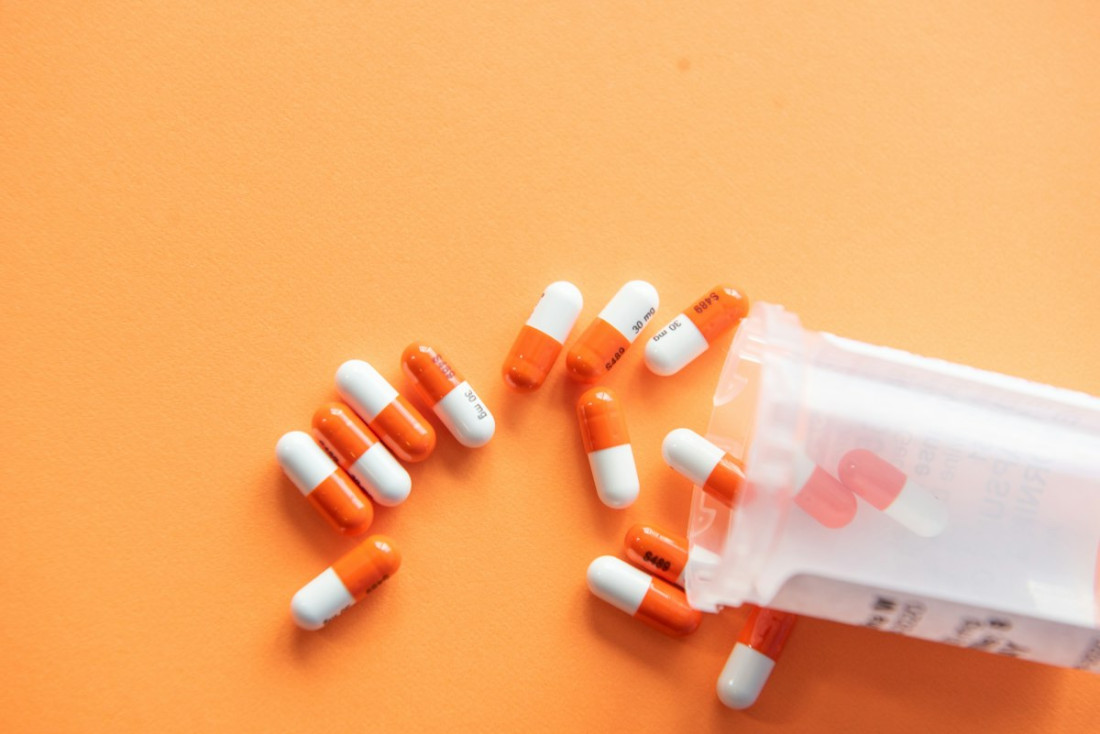
If a medicine was left in a hot car, arrived warm, or lost refrigeration during a power outage, check the exact product's storage instructions and contact your pharmacist or the manufacturer. The temperature, exposure time, container, and whether the medicine is open all matter. Appearance alone cannot show whether a medicine is suitable to use.
This guide focuses on temperature problems and the information needed to assess them. For everyday household placement and child-safe organization, see how to store medicines safely at home.
Start with the storage instructions for your exact product
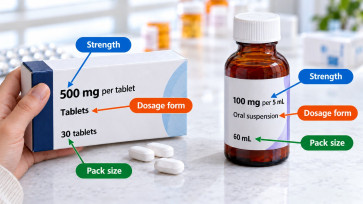
Use the package, pharmacy label, and patient information supplied with the medicine. If these are unclear or conflict, ask the dispensing pharmacist. Our medicine package-reading guide can help you identify the ingredient, strength, and dosage form before calling.
One temperature range is not a universal FDA rule for every prescription and OTC medicine. Some products need refrigeration; others have different requirements before and after opening or preparation. Do not apply an allowance from another brand, formulation, or container to yours.
What to do after a hot car, warm delivery, or moisture exposure
Keep the package and note where it was, roughly how long it was exposed, and any measured temperatures. Contact your pharmacist or the manufacturer's product-information service with those details. Ask whether the product can be used, needs replacement, or needs a different storage plan.
MedlinePlus explains that heat, moisture, air, and light can damage medicines. It advises against using products with changed color, texture, or smell, or tablets that are unusually sticky, soft, hard, cracked, or chipped. However, an unchanged appearance does not guarantee stability.
Do not test a suspect product by tasting it or change the dose to compensate for possible loss of strength. If you depend on it for ongoing treatment and a dose is due, seek prompt advice about a usable supply rather than simply going without treatment.
Prevent repeat exposure
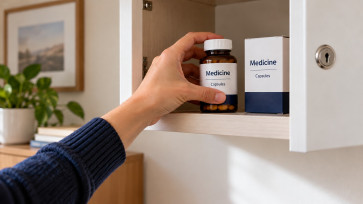
Avoid bathrooms, direct sunlight, hot appliances, and parked cars. Keep the original labeled container unless your pharmacist advises otherwise. A storage location must also keep medicines out of children's sight and reach. Follow the package instructions for caps and any protective inserts.
Refrigerated medicines and power outages
Ask how to keep your specific medicine within its labeled range during a power outage or travel. Record the time refrigeration was lost and available temperature readings. Cooling methods should avoid direct freezing and follow the manufacturer's instructions.
Insulin illustrates why product details matter. FDA's insulin emergency-storage guidance discusses storage limits, exceptions, and manufacturer contacts. Do not use insulin that has frozen. Emergency guidance is not a general storage allowance for all injections, insulin devices, or other biologic medicines. Do not switch insulin products or alter treatment without appropriate clinical guidance.
Information to gather before you call
| Detail | What to record |
|---|---|
| Product | Name, strength, dosage form, manufacturer, and lot number. |
| Container | Original bottle, blister, vial, or pen; opened or unopened. |
| Timing | Exposure start and end, opening date, and preparation date if relevant. |
| Conditions | Measured temperatures if available; heat, sunlight, freezing, or moisture. |
| Next step | Ask whether it is suitable to use and how to arrange a replacement if needed. |
Replacement and safe disposal
If the product is unsuitable, ask how to obtain a replacement and dispose of it. FDA recommends take-back options for most unwanted medicines. When unavailable, follow the product's instructions and FDA guidance: flush-list medicines have different directions from medicines eligible for household-trash disposal. Needles and some dosage forms need separate handling.
For an order or package issue, contact GetCareVia support. Ask a pharmacist or the manufacturer about clinical suitability; a retailer's delivery update does not establish medicine stability.
Common questions
Can I tell whether a medicine is safe by looking at it?
Visible changes are a reason for concern. A normal-looking product still needs assessment if storage conditions were outside its instructions.
Will putting it back in the refrigerator reverse heat damage?
Do not assume that cooling restores a product. Ask about the actual exposure and follow its storage instructions while getting advice.
Do all medicines need refrigeration?
No. Follow the exact label. Unnecessary refrigeration is not a substitute for checking the instructions.
What should I ask my pharmacist?
Bring the details in the checklist above. Our guide to seven pharmacist questions also covers missed doses, interactions, and follow-up.
Sources
- MedlinePlus: Storing Your Medicines
- FDA: Insulin Storage in an Emergency
- FDA: Disposal of Unused Medicines
Updated October 21, 2026. General educational information; product-specific decisions belong with your pharmacist, prescriber, or the manufacturer.