
Before starting a new medicine, ask your pharmacist what it is for, how to use it, what to avoid, and what to do if something goes wrong. Bring your medicine list and leave with clear instructions for the exact product you received.
This checklist helps you prepare for that conversation. It does not provide a dose or replace your prescription instructions.
What to bring to the conversation
Include prescription medicines, OTC remedies, vitamins, and herbal supplements on your list, with the amount and timing you currently use. Add allergies and previous reactions. MedlinePlus explains how a current medicine list and label checks help prevent medication errors. Tell the pharmacist about pregnancy, breastfeeding, swallowing difficulties, or trouble reading the label.
1. What is this medicine called, and why am I taking it?
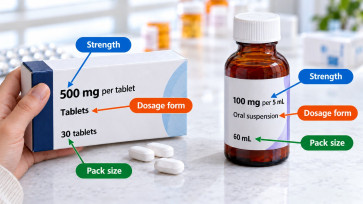
Confirm the active ingredient and brand name, if there is one. Ask whether the medicine replaces anything you already use. If a refill looks different, have the pharmacist identify it rather than assuming it is wrong or interchangeable. Our medicine package-reading guide explains strength, form, and pack quantity.
2. How, when, and for how long should I use it?
Have the pharmacist turn the label into a schedule you understand, including food instructions and treatment duration. Explain your usual meals and sleep schedule. Ask for a demonstration if the medicine needs a measuring device, inhaler, or injection technique. Check before splitting, crushing, opening, or chewing any product; the exact formulation matters.
3. What medicines, foods, or drinks should I avoid?
Ask the pharmacist to check your whole list, including occasional OTC medicines. Discuss alcohol, supplements, and any required spacing between products. For example, FDA explains that grapefruit affects some medicines, with effects that vary by drug. A warning for one medicine is not a rule for every medicine in its class or every citrus fruit.
4. Which side effects need a call, and which need emergency help?
Ask what to watch for, whom to contact, and whether to stop or continue the medicine if a problem occurs. Do not assume a new symptom is harmless or something you must tolerate. Ask for the patient leaflet and a plan for urgent symptoms. Call 911 for a life-threatening emergency, such as severe trouble breathing.
5. What should I do if I miss a dose or take too much?
Get written instructions for this specific medicine. There is no single safe catch-up schedule for every drug. Ask what to do if you vomit after a dose or cannot remember whether you took it. Do not take an extra dose to compensate unless the product instructions or your healthcare professional specifically direct you to do so.
6. How should I store it, and when should I discard it?
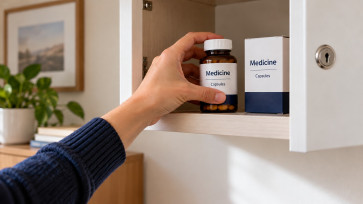
Read the product's storage instructions together. Ask about refrigeration, protection from light, and any deadline after opening or preparation. Keep medicines away from children and pets. For household organization, see how to store medicines safely at home. For a temperature problem, see medicine heat exposure and storage checks.
7. When should I expect a benefit, and what follow-up is needed?
Ask how you and your prescriber will assess progress, whether tests are needed, and when to report a lack of improvement. The answer depends on the medicine and condition. Do not change your dose or stop treatment based on a general online timeline.
Before you leave
- Read the directions back in your own words.
- Keep the written information with your medicine.
- Save the pharmacy's phone number and hours.
- Resolve instructions that conflict with what your prescriber told you.
FDA's pharmacist conversation checklist offers further questions to bring to your appointment.
Common questions
Can I call after leaving the pharmacy?
Yes. Contact your dispensing pharmacy during its available hours. Ask how to get urgent advice when it is closed.
Can a pharmacist help with cost?
Ask about an appropriate generic, coverage, and available savings options. Availability and suitability depend on the prescription and your circumstances.
Does this apply to OTC medicines?
Yes. OTC products can have interactions and duplicate ingredients. Our prescription versus OTC guide explains the categories.
How do I dispose of unwanted medicine?
FDA recommends take-back options for most medicines. If unavailable, follow its product-appropriate disposal instructions; not every medicine belongs in household trash.
Sources
Updated October 21, 2026. General educational information; ask your pharmacist or prescriber for advice about your own medicines.